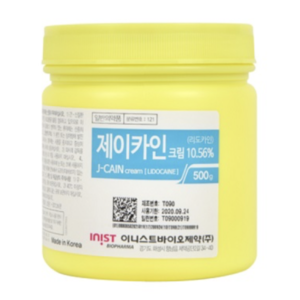
Neo Cain
Showing the single result
NEO-CAIN® Topical Anesthetic Cream: The Ultimate Guide to High-Potency Lidocaine Surface Numbing in Aesthetic Medicine
In the high-growth sector of minimally invasive medical aesthetics, clinical success depends not only on the artistic skill of the practitioner but also on patient comfort during the procedure. Treatments such as cosmetic injections, deep microneedling, laser skin resurfacing, and tattoo removal require multiple needle penetrations or thermal energy delivery into the sensitive dermal layers. If localized pain is poorly managed, patients experience stress, involuntary muscle twitching, and heightened anxiety, which can compromise the injector’s precision and lower overall patient satisfaction.
To provide a rapid, deep, and highly reliable topical numbing solution, South Korean pharmaceutical specialist Neogenesis developed Neo-Cain® (widely recognized in clinical environments as Neo-Cain Cream). Formulated with a highly concentrated Lidocaine ($10.56\%$) matrix, Neo-Cain is a gold-standard topical local anesthetic cream used worldwide. By temporary blocking sodium channels along peripheral nerve fibers, it prevents the initiation and conduction of pain signals, turning potentially uncomfortable aesthetic treatments into smooth, painless procedures.
For busy medical spas, dermatology clinics, and global wholesale distributors looking to optimize patient comfort and procedural efficiency, maintaining an abundant inventory of Neo-Cain is a foundational operational requirement. Below, we break down the pharmacodynamics of the Neo-Cain formula, outline its precise clinical application protocols, contrast its properties with other topical anesthetic options, and discuss the commercial advantages of wholesale procurement.
The Science of Neo-Cain®: Pharmacodynamics and Membrane Stabilization
The exceptional numbing depth and speed of Neo-Cain are driven by its optimized chemical concentration and specialized emulsion base. While standard over-the-counter numbing creams typically contain low concentrations of lidocaine, Neo-Cain delivers a potent, medical-grade dose:
-
Lidocaine Concentration: Lidocaine is an amide-type local anesthetic. At a concentrated level of 10.56%, the active molecules rapidly pass through the hydrophobic stratum corneum (the outermost layer of the skin) and accumulate around peripheral nociceptors (pain receptors) in the dermis.
-
Sodium Channel Blockade: Once inside the nerve membrane, Lidocaine binds specifically to the internal subunits of voltage-gated sodium ($Na^+$) channels. This binding stabilizes the neuronal membrane, preventing the influx of sodium ions necessary for nerve depolarization. As a result, the propagation of pain action potentials along the nerve fibers is completely blocked.
-
Optimized Lipophilic Vehicle: The cream base of Neo-Cain is formulated as a specialized oil-in-water emulsion. This design enhances the absorption of the active lidocaine molecules, helping them penetrate thick dermal layers without causing excessive skin irritation or leaving greasy residues.
Target Clinical Indications and Aesthetic Applications
Neo-Cain is engineered for multi-surface topical application across both facial areas and broad body zones, providing comprehensive pain control for a wide variety of non-surgical procedures.
-
Dermal Filler and Neurotoxin Injections: Numbs the skin prior to lip augmentations, tear trough corrections, and facial contouring, ensuring complete patient comfort during needle insertion.
-
Advanced Collagen Induction Therapy: Completely deadens surface sensitivity before deep microneedling, RF (Radiofrequency) microneedling, and mesotherapy treatments.
-
Ablative and Non-Ablative Laser Procedures: Prepares the skin for fractional CO2 laser resurfacing, intense pulsed light (IPL) therapies, and vascular laser treatments.
-
Body Contouring and Lipolysis Injections: Reducens the initial skin-pinch discomfort associated with subcutaneous localized fat-dissolving injections (such as Lipo Lab or Kabelline).
-
Tattooing and Laser Tattoo Removal: Softens the sharp, repetitive thermal and mechanical pain experienced during laser ink shattering or permanent makeup applications.
Clinical Application Protocols, Occlusion Dynamics, and Timing
Achieving a deep, long-lasting anesthetic effect while maintaining strict patient safety requires following systematic preparation and application guidelines.
-
Surface Preparation: The target skin zone must be thoroughly cleansed to remove oil, makeup, sunscreen, and surface debris. Wiping the area with an alcohol pad or a mild antiseptic solution opens up the pathways, allowing the cream to penetrate more effectively.
-
Application Thickness: Practitioners should apply an even, uniform layer of Neo-Cain approximately 1 mm to 2 mm thick across the treatment zone. The cream should be spread smoothly rather than rubbed completely into the skin.
-
The Occlusion Process: To maximize absorption and prevent the cream from drying out or evaporating, the treated area should be covered with a transparent plastic wrap (occlusive dressing). Occlusion seals the skin, increasing local temperature and hydration, which helps the lidocaine molecules pass into the deeper dermis more rapidly.
-
Timing Guidelines:
-
For superficial injections or light microneedling, an application time of 20 to 30 minutes under occlusion is generally sufficient.
-
For deep laser treatments, micro-needling RF, or sensitive mucosal areas like the lips, the cream can remain under occlusion for 40 to 50 minutes to achieve maximum numbing depth.
-
-
Removal Protocol: Before beginning the aesthetic procedure, all residual cream must be completely wiped away using sterile gauze. The skin should then be sanitized with a non-alcoholic chlorhexidine or antiseptic solution to ensure a clean, sterile injection site.
Technical Comparison: Neo-Cain vs. Competing Topical Anesthetics
To help purchasing teams, medical directors, and aesthetic distributors select the ideal numbing agent for their practice, it is valuable to compare Neo-Cain with other common market formulations.
| Characteristic | NEO-CAIN® Cream | Standard OTC Numbing Creams | EMLA® Cream (5%) | High-Concentration Compounded BLT Gels |
| Active Ingredients | Lidocaine. | Lidocaine. | Lidocaine | Benzocaine |
| Anesthetic Class | Single Amide-Type Agent. | Single Amide Agent. | Dual Amide Mixture (Eutectic). | Mixed Ester and Amide Formulation. |
| Onset Time Under Occlusion | 20 to 30 Minutes (Fast-acting). | 45 to 60 Minutes. | 60 Minutes (Requires extended application). | 15 to 25 Minutes. |
| Duration of Effect | 60 to 90 Minutes post-removal. | 30 to 45 Minutes. | 60 Minutes. | 60 to 120 Minutes. |
| Risk of Systemic Toxicity | Low (Stable formulation limits rapid systemic absorption). | Minimal. | Low (Risk of methemoglobinemia if overused). | Moderate to High (Requires strict surface area limits). |
| Value & Packaging Tier | Exceptional Commercial ROI. | Small consumer tubes, costly for high-volume use. | Small clinical tubes, higher cost-per-gram. | Expensive pharmacy prescription ordering. |
Key Takeaways for the Practitioner:
-
Neo-Cain vs. Standard OTC Creams: Over-the-counter options typically top out at a 5% lidocaine concentration, requiring long waiting times and providing shallow numbing that can fade mid-procedure. Neo-Cain’s 10.56% medical-grade formulation delivers faster, deeper anesthesia, allowing clinics to shorten patient waiting times and improve room turnover.
-
Neo-Cain vs. Compounded BLT Gels: Compounded prescription gels (Benzocaine/Lidocaine/Tetracaine) provide strong numbing but can carry a higher risk of systemic absorption and toxicity if applied over large surfaces. Neo-Cain provides an excellent balance: its single-agent lidocaine profile delivers deep, reliable anesthesia for modern aesthetic procedures while maintaining a highly stable and manageable safety profile.
Wholesale Sourcing, Storage Stability, and Clinic Revenue Optimization
Because patient comfort is an ongoing priority for every single aesthetic procedure, high-volume medical spas and dermatology practices go through numbing creams very rapidly. Sourcing small consumer tubes can quickly create an inventory bottleneck and increase operational costs.
Purchasing Neo-Cain wholesale in large-format $500\text{g}$ professional tubs via reputable medical e-commerce portals is a smart operational strategy. Buying in bulk lowers the cost-per-gram significantly, allowing clinics to protect their profit margins on high-volume treatments like microneedling and laser resurfacing without compromising on product quality.
When sourcing Neo-Cain online, quality control and storage parameters must be followed carefully. To protect the stability of the amide molecules and prevent the emulsion from separating, Neo-Cain must be stored in a cool, dry place at room temperature—ideally between 15°C and 30°C—away from direct sunlight or extreme freezing conditions. Medical buyers should purchase exclusively through verified aesthetic supply distributors who guarantee authentic South Korean manufacturing, intact tamper-evident security seals, clear batch expiration tracking, and reliable logistics.
Frequently Asked Questions (FAQs)
1. How long does the numbing effect of Neo-Cain last once it is wiped off?
Once Neo-Cain is completely removed from the skin, the local anesthetic effect remains active for approximately 60 to 90 minutes. This provides ample time for injectors and laser technicians to complete detailed, multi-zone facial or body treatments without having to reapply the product or rush the procedure.
2. Can Neo-Cain be applied over large body areas for laser hair or tattoo removal?
Yes, but it must be done with careful attention to safety guidelines. While Neo-Cain is excellent for broad zones like the back or thighs, applying high-concentration lidocaine over massive body areas under occlusion can increase the risk of systemic absorption and local anesthetic toxicity (LAST). It is best practice to treat large areas in sections or limit the total amount of cream used during a single session, always staying well within recommended clinical guidelines.
3. What are the common skin reactions immediately after removing the cream?
When Neo-Cain is wiped off, the treated skin may temporarily appear pale (blanching) or slightly red (erythema). These are completely normal vascular responses caused by the temporary blocking of peripheral nerves and the pressure of the occlusive wrap. These minor skin changes are harmless and typically fade entirely within a few hours post-procedure.
4. Can Neo-Cain be applied to broken skin or open wounds?
No, absolutely not. Neo-Cain is strictly a topical anesthetic designed for application on intact, unbroken skin. Applying a high-concentration 10.56% lidocaine cream directly into open wounds, deep skin tears, or fresh abrasions can cause the active ingredients to enter the bloodstream too quickly, which significantly increases the risk of systemic toxicity and adverse side effects.
5. What should a practitioner do if a patient accidentally gets the cream in their eyes?
If Neo-Cain accidentally comes into contact with a patient’s eyes during a facial treatment, it must be addressed immediately. Flush the eye thoroughly and continuously with copious amounts of sterile saline solution or clean water for at least 15 minutes. Because lidocaine temporarily numbs corneal sensitivity, the patient may not feel irritation right away, so it is vital to flush the eye completely to prevent corneal scratches or chemical injury.
6. What are the absolute clinical contraindications for Neo-Cain cream?
Neo-Cain must never be administered to individuals with a known allergy or hypersensitivity to amide-type local anesthetics or any of the structural ingredients in the cream base. It is contraindicated for application on areas with active local skin infections, open wounds, or severe dermatitis. Additionally, it must be used with extreme caution or avoided in patients presenting with severe liver insufficiency or advanced cardiac conduction disorders, as the liver is responsible for metabolizing absorbed lidocaine molecules.