
Exosomes
Showing the single result
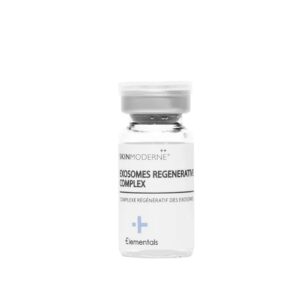
EXOSOMES Cellular Technology: The Ultimate Guide to Regenerative Aesthetics
In the rapid evolution of anti-aging and aesthetic medicine, the paradigm has fundamentally shifted from passive correction (filling wrinkles) to active tissue regeneration. As the skin ages, cellular degradation accelerates. The communication pathways between fibroblasts, stem cells, and keratinocytes break down, resulting in chronic inflammation, a drop in structural protein production, thinned dermal layers, and delayed healing.
To overcome this cellular communication deficit, global aesthetic science has harnessed Exosomes. Representing the pinnacle of biotech innovation, exosomes are not cells, but microscopic extracellular vesicles (ranging from 30 to 150 nanometers) naturally secreted by cells. They act as the body’s ultimate biological messengers, carrying a rich cargo of growth factors, signaling proteins, cytokines, lipids, and genetic material (mRNA/miRNA). When applied in a clinical setting, exosomes reprogram older or damaged target cells, instructing them to rapidly repair, produce massive amounts of collagen, and behave as they did in their biological youth.
For premium medical spas, advanced dermatology practices, and anti-aging clinics looking to lead the market in non-surgical tissue restoration, maintaining a cutting-edge selection of exosome formulations is vital. Below, we break down how professional exosome systems operate, compare the primary market-leading sources, and outline the strategic operational benefits of wholesale sourcing for your e-commerce platform.
The Science of Exosomes: Cellular Reprogramming and Synergy
Unlike traditional topical skincare or single growth factor serums, exosomes possess a unique bilayer lipid membrane structure. This microscopic shield protects their precious cargo from enzymatic degradation and allows them to fuse seamlessly with the membranes of target skin cells, delivering their regenerative signals directly into the cell cytoplasm.
Exosomes are typically utilized in professional aesthetic clinics as powerful topical applications immediately following skin-channeling procedures, most notably microneedling, fractional laser resurfacing, RF microneedling, and chemical peels. Because exosomes lack a cellular nucleus, they do not replicate and carry zero risk of triggering an adverse immunological rejection or allergic response when properly purified.
Flagship Clinical Profiles and Top Brands:
The professional market features distinct, internationally acclaimed exosome systems engineered by elite biotech manufacturers:
-
ASCE+® / ExoCoBio (Stem Cell Platform): Developed by South Korean pioneer ExoCoBio, the ASCE+ range represents the gold standard in human adipose tissue stem cell-derived exosomes. Utilizing patented ExoSCRT™ isolation technology, products like ASCE+ SRLV deliver billions of highly purified lyophilized exosomes combined with hyaluronic acid, peptides, and vitamins. It drastically cuts post-procedure clinical downtime by 30% to 50%, curbs inflammation, treats acne scarring, and intensely brightens the complexion.
-
BENEV® Exosome Regenerative Complex: A highly popular medical-grade system utilized extensively in North American and European clinics. Formulated in a powerful dual-vial configuration (lyophilized exosome powder combined with an intensive diluent containing hyaluronic acid and coenzymes), BENEV is the premier treatment enhancer to apply post-microneedling, maximizing neocollagenesis and boosting dermal thickness threefold.
-
EXOBLOOM® (Next-Gen Hybrid Systems): Representing the forefront of advanced botanical and bio-synthetic exosome engineering, EXOBLOOM features highly concentrated plant-derived and hybrid vesicles. This system delivers massive biological activity (frequently carrying over 5 billion exosomes per ampoule) designed to reduce inflammatory cytokines by up to 55% while stimulating up to seven distinct types of structural collagen without any immunogenic risks.
-
Exocel Bio / Exovex®: A pharmaceutical-grade biotechnology line utilizing ethically sourced, transplant-grade placental stem cell-derived exosomes. Subjected to strict third-party verification, microfluidic analysis, and mass spectrometry, Exovex offers incredibly dense cargos of mRNA and growth factors tailored for intensive clinical skin reconstruction and advanced follicular scalp rejuvenation.
Competitive Source Analysis: Understanding Exosome Derivations
In an e-commerce B2B setting, clinics must understand that the clinical efficacy and regulatory profile of an exosome treatment are highly dependent on its biological source.
| Exosome Type / Source | Biological Cargo Weight | Primary Strength / Mechanism | Target Application | Immunogenic Risk Profile |
| Human Stem Cell Derived (Adipose, Umbilical Cord, Placental) | Extremely High (Rich in human-specific growth factors & mRNA) | Direct, rapid cellular reprogramming; exceptional tissue healing and remodeling. | Post-procedure healing, severe scarring, deep wrinkle reversal, hair loss. | Extremely Low (Highly purified, lack cellular DNA). |
| Autologous Exosomes (Patient’s Own Cells) | High (Perfectly tailored to individual patient biology) | 100% biocompatible signaling with zero possibility of cross-contamination. | Highly customized premium clinic treatments, advanced age reversal. | None (Self-derived). |
| Plant-Derived (Phyto-Exosomes) (Centella, Aloe, Fruit Stem Cells) | Medium (Rich in antioxidants, lipids, and botanical signaling) | Superb anti-inflammatory regulation, excellent stability, barrier repair. | Sensitive skin soothing, hyperpigmentation control, daily maintenance. | None (Completely non-animal origin). |
| Marine / Salmon-Derived | Medium-to-High (Rich in nucleic acids and tissue-repair factors) | High tissue compatibility, rapid surface illumination, acceleration of healing. | Radiance boosting, skin elasticity restoration, post-laser relief. | Low. |
Key Takeaways for the Practitioner:
-
Human Stem Cell vs. Plant-Derived: Human Mesenchymal Stem Cell (MSC) exosomes (like ASCE+ or BENEV) remain the clinical gold standard for structural tissue repair because their cargo is designed to communicate with human cells. Plant-derived options (like EXOBLOOM) offer a clean regulatory status and excellent safety profiles, making them highly favored for sensitive skin stabilization and inflammation management.
-
Exosomes vs. Traditional PRP (Platelet-Rich Plasma): While PRP relies on spinning a patient’s blood to extract growth factors, the quality of PRP varies wildly based on the patient’s age and health status. Commercial exosomes offer a standardized, ultra-concentrated, and verified dose of growth factors and biological messages, delivering highly predictable clinical results every time.
Wholesale Sourcing and Bulk Ordering for Regenerative Practices
Because exosome therapies operate via a mechanism of cellular instruction, maximum tissue transformation is achieved through cumulative exposure. A standard clinical protocol requires a primary course of 3 to 5 procedural sessions spaced 2 to 4 weeks apart, followed by routine maintenance treatments every 3 to 6 months.
For aesthetic clinics and medical distribution centers experiencing high patient intake, purchasing exosomes wholesale is a vital operational and financial choice. Because authentic professional exosomes are lyophilized (freeze-dried) or frozen to preserve the fragile lipid membranes of the vesicles, sourcing them in bulk quantities dramatically reduces shipping overhead and per-vial costs. This allows your practice to bundle high-margin treatment packages that combine microneedling or laser therapies with premium exosome topicals.
When sourcing exosomes online, medical professionals must prioritize quality control. The fragile nature of extracellular vesicles means that poor climate control, improper freezing, or unverified manufacturing chains can lead to degraded, inactive protein cargo, resulting in zero clinical efficacy. Practices should only purchase exosome systems through authorized, licensed distributors who guarantee cGMP and ISO manufacturing standards, strict third-party purity verification, and flawless cold-chain logistics.
Frequently Asked Questions (FAQs)
1. Can exosomes be injected directly into the skin like dermal fillers?
No. In most regulatory frameworks, professional cosmetic exosome formulations are certified strictly for topical application. They are designed to be applied immediately after procedures that create micro-channels in the skin—such as microneedling, fractional lasers, or RF needling—allowing the microscopic vesicles to flood into the open dermal channels and migrate into the deep tissue layers naturally.
2. How do exosomes accelerate post-treatment clinical recovery?
Exosomes carry an array of anti-inflammatory cytokines and tissue-repair growth factors (such as TGF-β3, FGF, and VEGF). When applied immediately after an aggressive skin treatment, they rapidly halt the inflammatory cascade, reducing post-procedure erythema (redness), swelling, and heat discomfort by 30% to 50%, allowing patients to return to their daily routines much faster.
3. What is the difference between an exosome treatment and a skin booster?
Skin boosters (like Profhilo or Aquashine) primarily rely on non-crosslinked hyaluronic acid to flood the tissue with hydration and provide a temporary biological plumbing effect. Exosomes do not contain significant mechanical volume; instead, they function as biological software, transferring genetic data and signals directly into host cells to permanently change how the skin tissue repairs and ages itself.
4. How long do the visible results of an exosome series last?
Because exosomes stimulate genuine, structural neocollagenesis and tissue remodeling, the improvements in skin thickness, elasticity, and scarring are long-lasting. Following a complete 3-to-5 session protocol, the revitalized, glowing appearance of the skin typically maintains its peak for 6 to 12 months. Periodic maintenance sessions help sustain these regenerative benefits long-term.
5. Do exosome products require special clinical storage conditions?
Yes, strict adherence to storage instructions is mandatory. Depending on the brand and formulation, lyophilized exosome vials must be kept under constant refrigeration or deep-freeze conditions to ensure the lipid membranes do not degrade. Once a lyophilized vial is reconstituted with its liquid activator, it must be administered to the patient immediately to guarantee maximum vesicle potency.
6. Are there any specific contraindications for exosome therapies?
Exosome therapies should be avoided in patients with active skin infections, open wounds (outside of controlled clinical micro-channels), severe active dermatitis, or an active herpes simplex outbreak in the treatment zone. Additionally, because exosomes trigger cellular growth and proliferation pathways, they should not be applied to patients with a history of cutaneous malignancies or active oncological conditions in the target area.
